
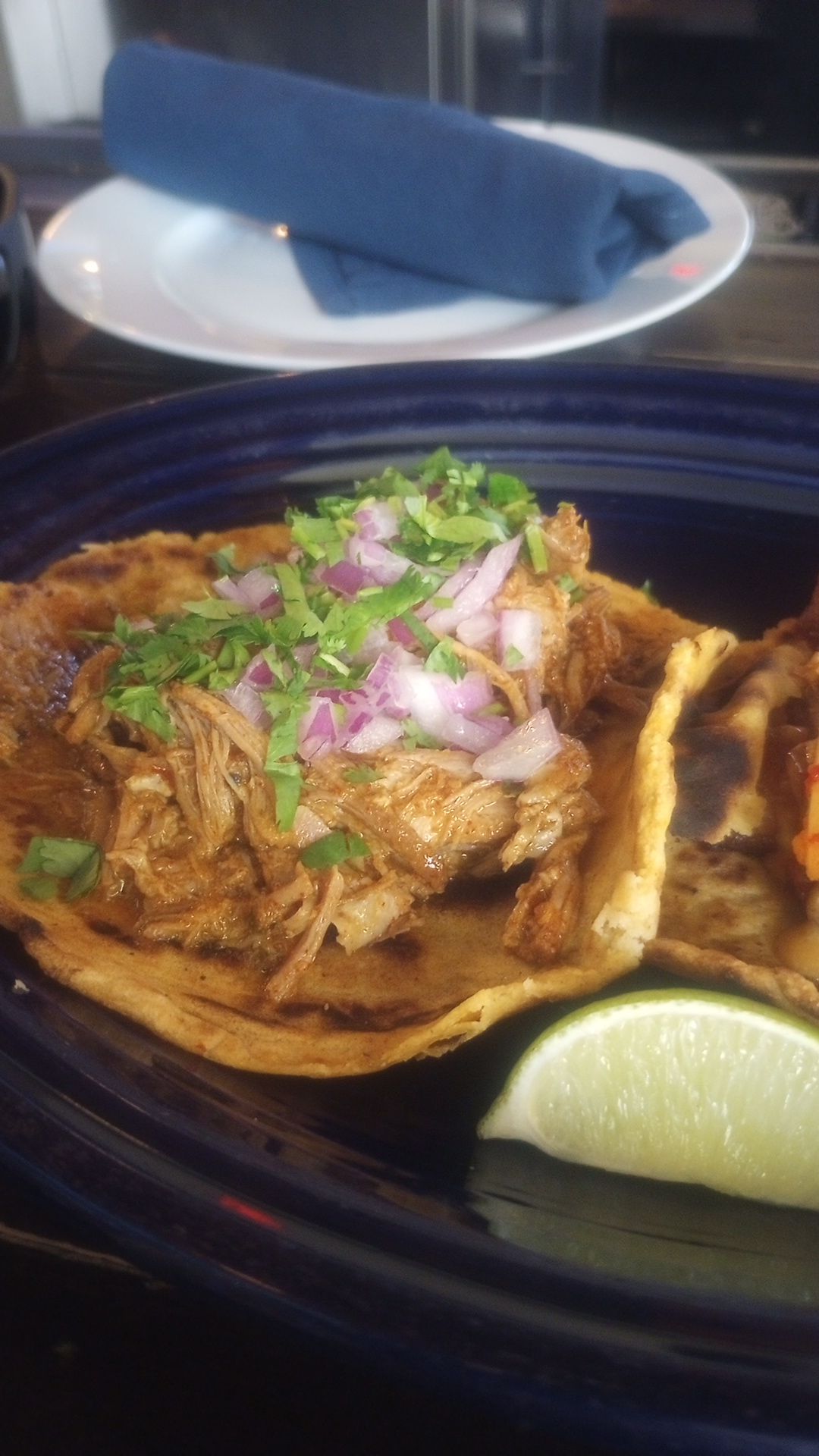
In this two-part series we explore the migration of the taco from the mines of Mexico to the streets of America, its conquest of broader America and its rise to “elevated” status, earning its own emoji and tribes of rabid fans who argue ingredients like they are religious texts.
Quick Take:
- The taco has spread from a food staple to a cultural force, evolving with people as they moved.
- Its long history has led it to branch into fusion cuisine, breakfast food, and midnight snacks.
- Like any food that gains a following, people try to “dress up” the taco and sell it as “elevated cuisine.”
- Tacos remain both a working-class staple and humble street food while also being an international cultural ambassador.
Explore with me for a moment a glorious story of a humble recipe that became a household name. The taco, loved by many and adapted into endless variations, somehow took thousands of years to be born, but less than two centuries to become a cultural icon.
It starts with a bang. Hundreds of years ago — at least as far back as the 18th century — deep in the silver mines of Mexico, miners were still over 100 years from being able to use Alfred Nobel’s famous invention (a.k.a. dynamite). The solution for blasting was to fill cloth or paper with gunpowder, roll it tightly, then add a fuse before inserting the charge into pre-drilled holes and filling them in with clay. These hand-made charges were called tacos. Move along 100-years or so, and you will find the first direct mention of the taco as a food, when a 19th century cookbook instructs readers to roll a recipe into a tortilla “like a taco”.
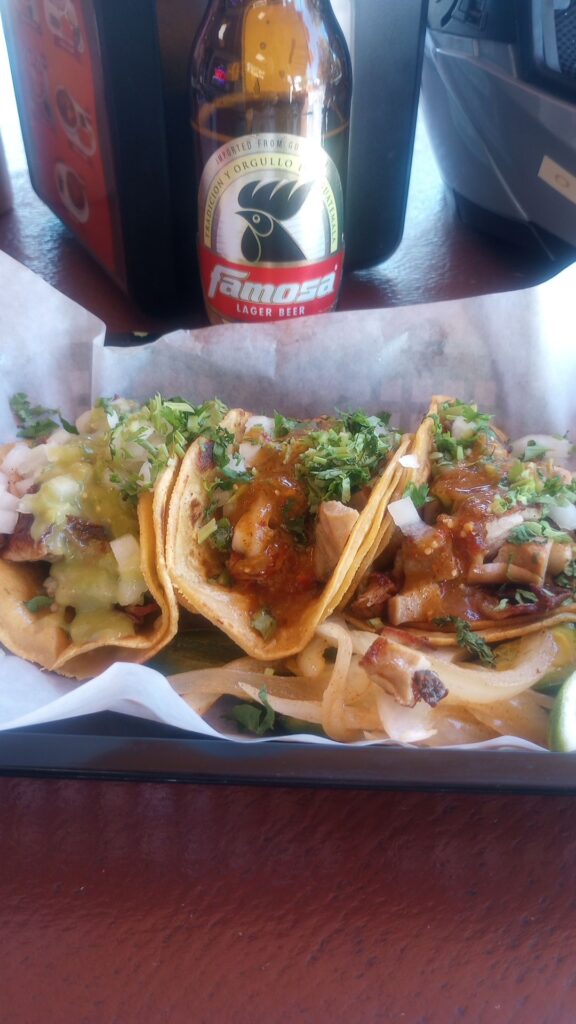
The go-to versions of the taco we know today took a long time to evolve, which seems odd. The corn tortilla had been around longer than the Mayans; it was the de facto silverware of millions of families for millennia, much like injera in Ethiopia or pita bread in the Fertile Crescent. But it wasn’t until those silver miners brought their lunches — pre-wrapped in tortillas to keep the dirt out — that the tortilla went from being a scoop to an envelope. Our humble hero first opens his eyes.
It’s likely the first ingredients were very simple: beans, potatoes, strips of chile called rajas. In some areas where Cornish men also worked the mines, the pasty gave inspiration to the young taco. This very British meat-filled pie could also be made with tortillas, which were cheap, calorie dense, and longer lasting than most breads.
The taco goes from necessity to streetwise city-dweller
Much like the rest of the world, when the Industrial Revolution hit fever pitch in the early 1900’s, the taco did too. Miners moved into bigger cities looking for factory work, and the taco came along, seeking adventure. But in the big city, it was now possible for street vendors to bring the taco to the worker, instead of them wrapping their own tacos in paper and carrying them from home. Not exactly delicious sounding, I know, and perhaps that’s why these from-home tacos gave way to something called tacos sudados (sweaty tacos). Mmmm.
I would probably stick to my tired little tacos from home — bleeding grease through old newsprint — before ordering something called a sweaty taco, but it turns out they aren’t as gross as they sound. As a way for a taquero (taco maker) to keep their tacos warm and ready, they would pack them tightly together like sardines, allowing the combined heat to “sweat” the whole batch. Loaded into baskets for delivery, someone realized that might be a better way to name sweaty tacos.
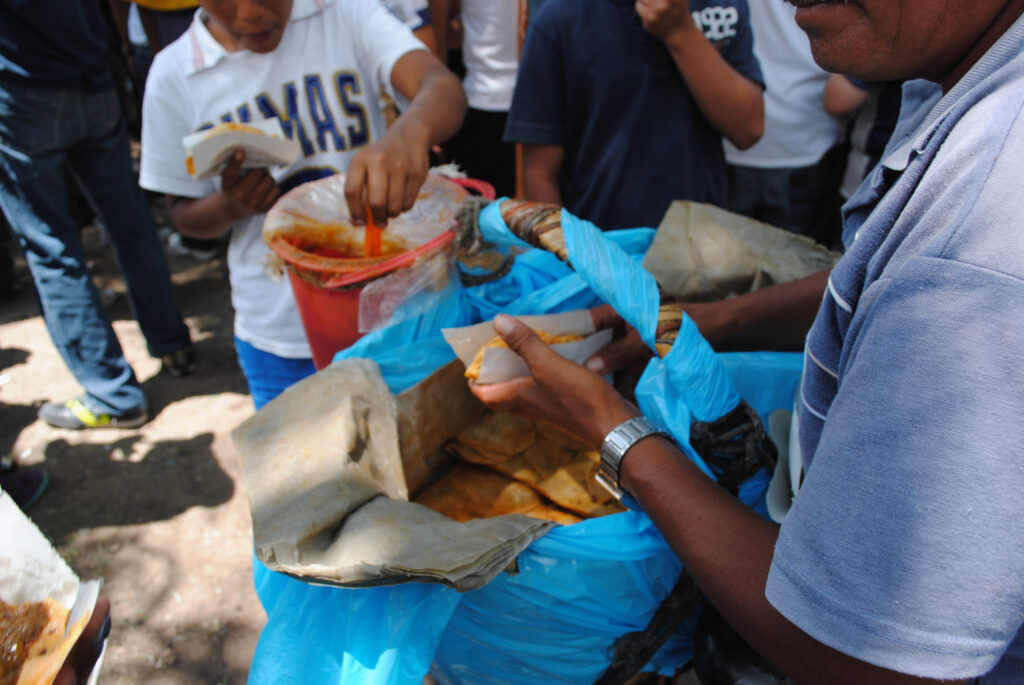
In any event, the taco de canasta (the basket taco) took over as the staple of Mexican working-culture and cuisine. Packed tightly into their delivery baskets, they continued to cook in their own heat, actually making them taste better and have a softer texture as the day went on (the more ya sweat, the more flavor ya get, or something).
Tacos de canasta live on in Mexico and the borderlands to this day, having become a popular after-work meal for construction workers and office dwellers alike. On the way home, tired and hungry, they know their dinner has been slow cooking for hours. Vendors today use bicycles or moto-trikes, carrying fresh salsas and perhaps a cooler with cold Cokes or beer.
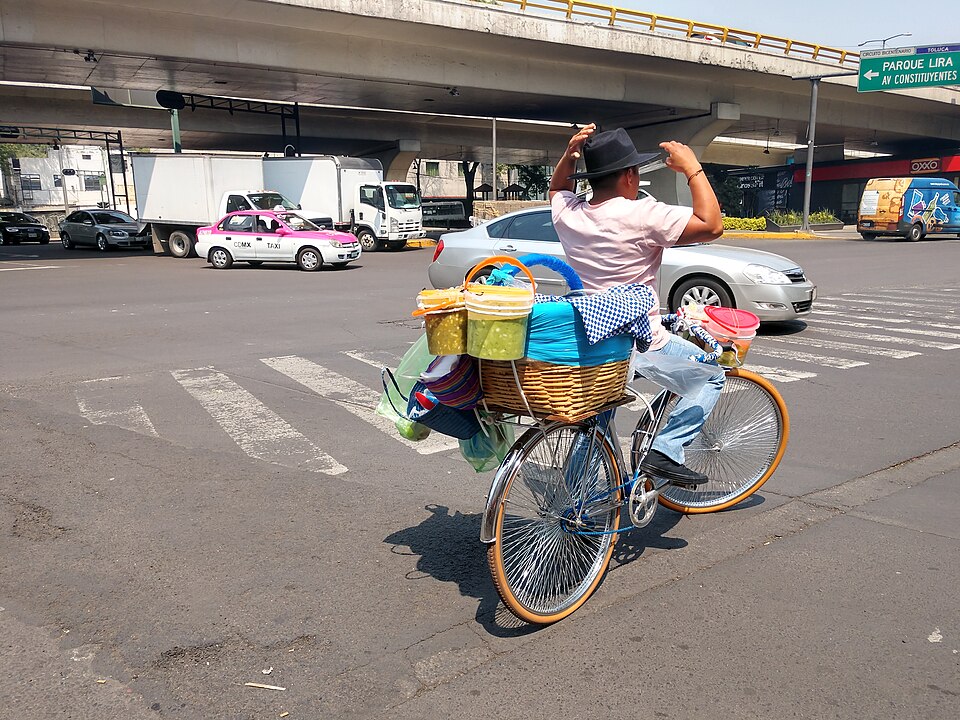
The ingredients usually depend on the city, but it is practically mandatory to have papas (potato) and chicharrōn prensado (a slow cooked, stewed pig skin, very different from the puffy pork rinds you might think of). Rounding out the holy trinity of flavors is usually frijoles refritos, refried beans. All three are nutrient dense and “stick to the ribs” of the blue-collar workers of Mexico. See, it’s all about the fat. Refried beans in Mexico are rendered with pork lard, not oil, and to keep the papas from drying out, lard is cooked in (usually along with some chili oil to spice things up).
Modern tacos de canasta are almost always bathed in oil. Inside a liner, inside the basket, they are stacked in while not fully cooked, so they “finish” out on the road. This also means the longer they sit the more flavor they absorb, making them a very popular dinner treat on the way home, or on the way out on a Friday night. Tacos de canasta play as hard as they work. Life on the street is tough, que no?
Northern Mexico: where beef and flour flourish
The Spanish influence on the north of Mexico was much deeper than the south, which had as much to do with climate as the Spanish missions. The missionaries introduced wheat, which survives the arid climates up north much better (corn is actually a thirsty tropical grass, for those who don’t know). With wheat comes flour, and with Catholicism comes the unleavened bread technique, which made the flour tortilla the de facto silverware up north.
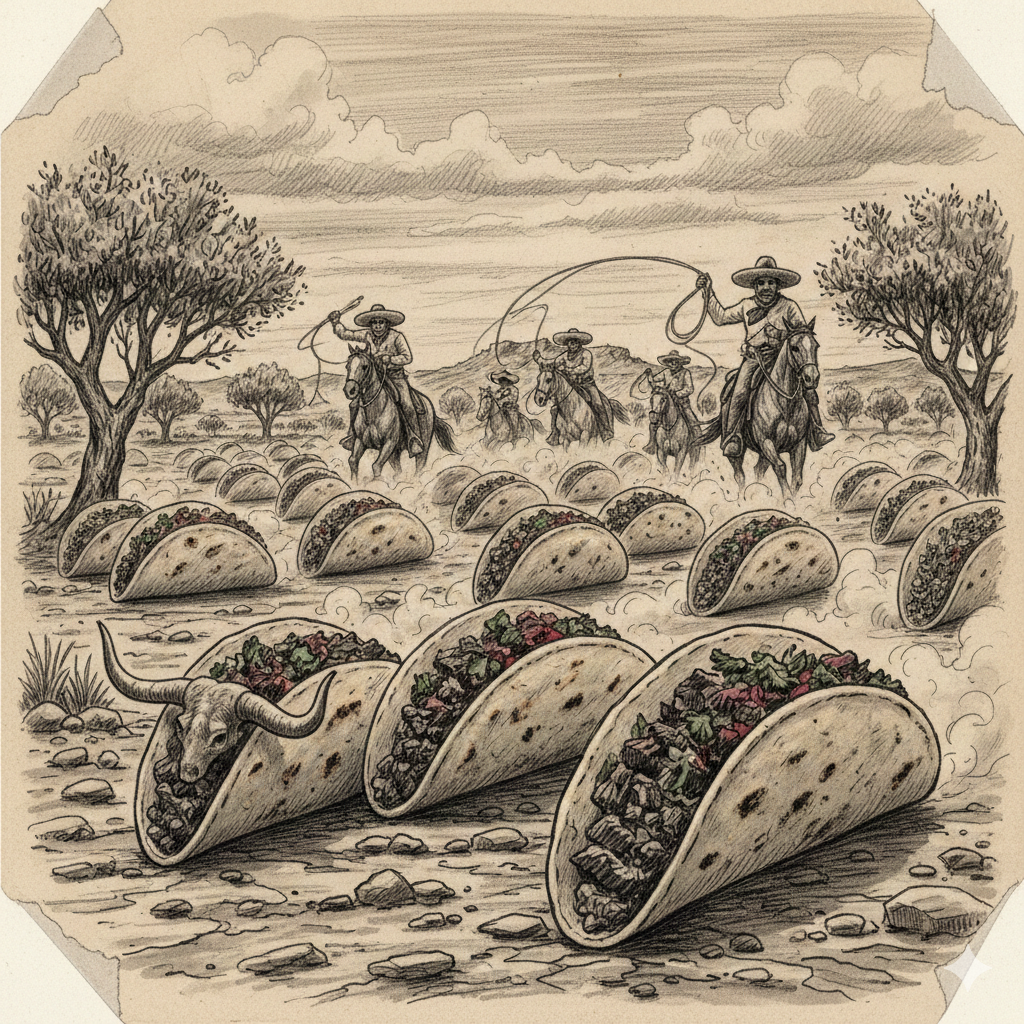
And although it was arid, the Colorado River was not being pumped dry in the 1800’s, allowing cattle to graze in large numbers. The result of these factors is what gives us today’s carne asada taco. Without the damp and sticky fillings of the south, the taco became less of an envelope and more of a cradle, allowing generous portions of beef to fill the stomachs of the many vaqueros on the open plains. The taco is nothing if not resilient.
An interesting anecdote to this is how many people insist that a taco isn’t authentic unless served in a corn tortilla. This seems to be a bit of southern Mexico making its way up to America and turning into an identity signature. When a diaspora from a wide region (all of Mexico) end up in a foreign place (Texas), they will start to cling to anything that reminds them of their homeland’s identity, and it can transfer to locals who fall in love with that sense of pride.
Over time, it becomes a clique and a “I know a secret” form of self-gratification. People who want to be “true keepers of the faith” will come up with their private tests to vet any pretenders. But having lived in Baja for a few seasons, I also know that taqueros there and in northern Sonora will always ask, “¿harina o maíz?” (flour or corn?). I’d say the “take rate” by locals is usually corn by at least 5:1, but that’s nowhere near 100%.
Tech talk about tortillas
Here we should take a moment to expound on the most important part of the taco. Both versions of the tortilla are calorie dense, but corn will give you a bit more in the way of vitamins, while flour is going to give you more calories overall. This actually has more to do with lard than wheat flour: lard (or shortening) is generally used in making flour tortillas. It helps keep them from drying out.
The Mayans were also just trying to make their cornmeal easier to work with when they started adding ash or lime, but they were also unlocking vitamin B3 (niacin), an essential vitamin. The process is called nixtamalization but I only like to dive so deep when talking food chemistry. Corn also wins by adding fiber.
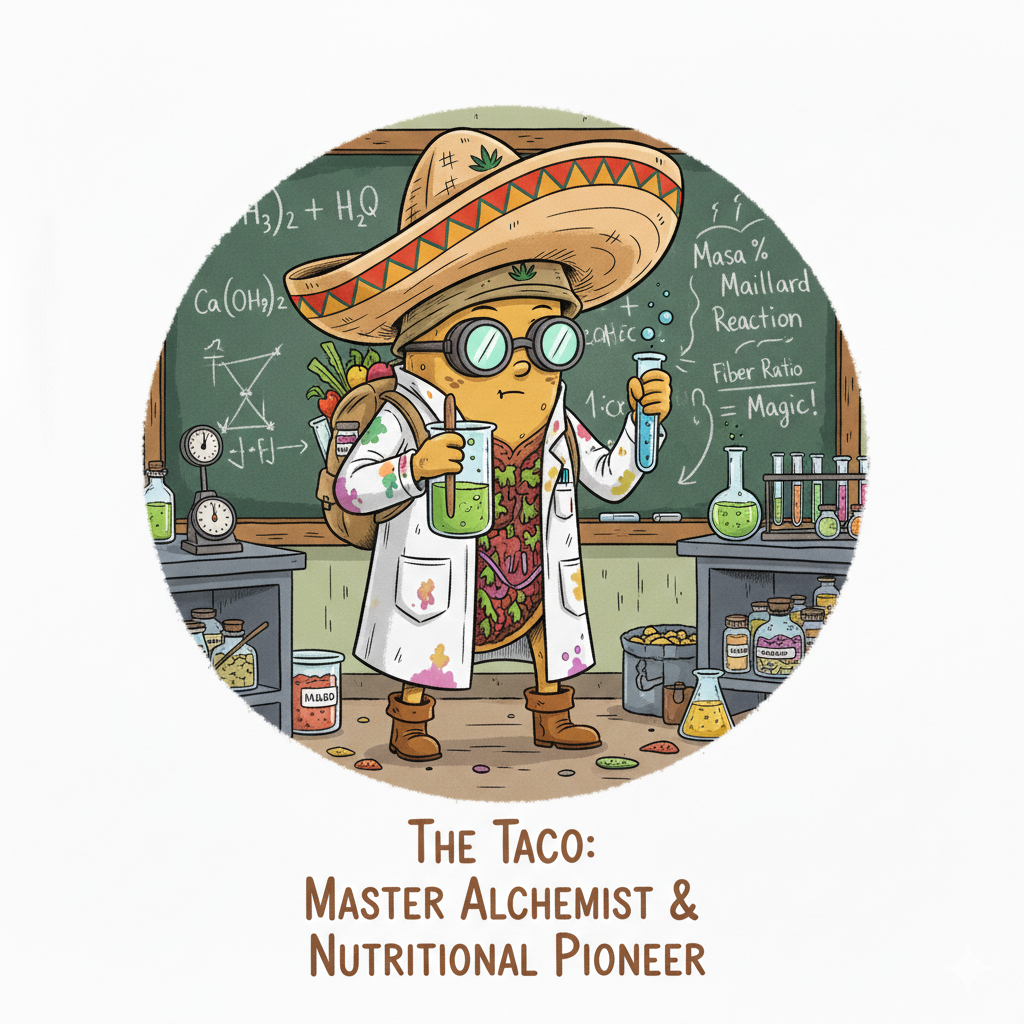
I dare say nixtamalization adds more flavor as well, at least when genuine “golden corn” is used (also called yellow corn). I’ve never had the traditional blue corn tortillas from the deep south so I can’t speak to their flavor, but they are talked about with reverence.
Mexico went as far as banning GMO corn from the region because it was cross pollinating with native species. Children are taught how to spot GMO corn growing in roadway ditches, so they can uproot them as they walk to and from school. Blue corn is a dietary staple and cultural pillar in much of southern Mexico, but especially so in the mid-highlands of Oaxaca.
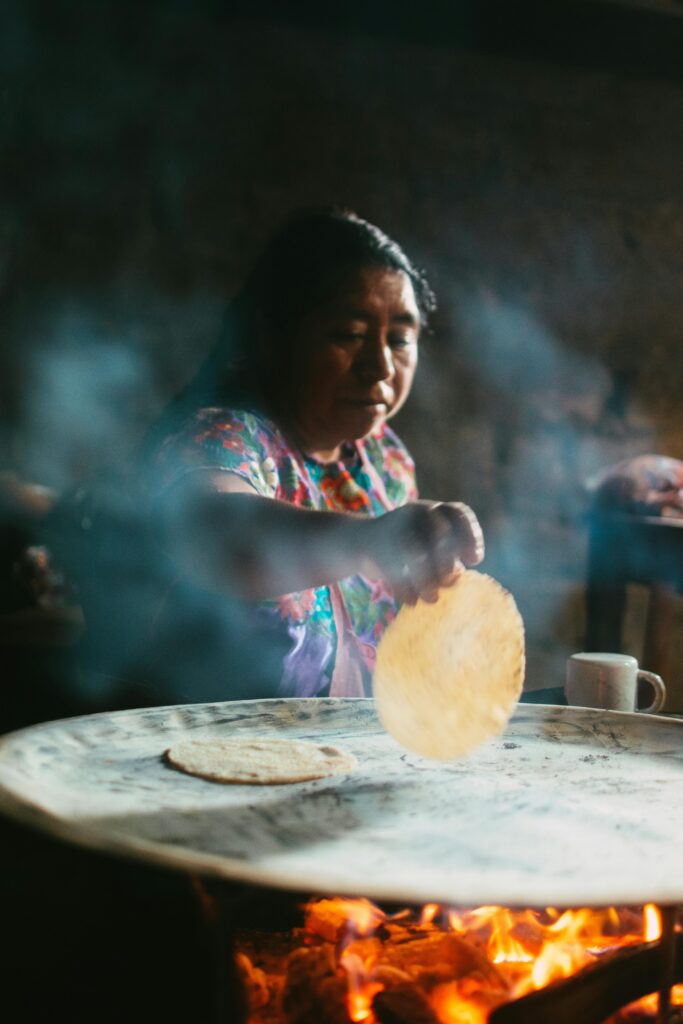
Flour tortillas don’t surrender though. They are less likely to tear if they aren’t warm enough, and they can add an excellent flavor by being slightly charred over an open flame. I still remain an advocate for gas stove-tops in homes because of this. While you can steam any tortilla to warm it and make it pliable, both corn and flour tortillas are best served up after being warmed over flame.
For restaurants and taco stands a flattop grill usually does all the work. Not quite as good as the original hot rock or clay fired oven, but a lot easier to work with.
For my personal taste I choose corn every time, with the exception of tacos peascados (fish tacos), because the unique crema used gets more space to do its flavor dance. That is a very regional thing though, with most areas still serving up fish tacos on corn tortillas (more on that soon).
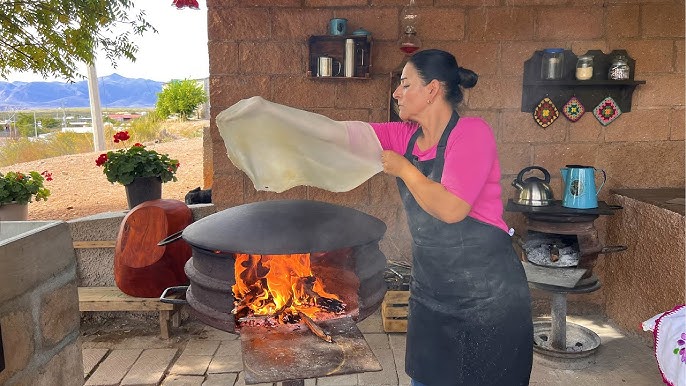
Perhaps most important for them, flour tortillas can be made in larger sizes. Again, it’s the fat keeping things pliable. And we must tip our sombrero to the massive sobaquera (large pizza size) tortillas that made their way to Texas and birthed the burrito. Fun fact: sobaco is Spanish for armpit. So yes, they are basically called “armpit-ers.” It’s because the women making them needed their whole arm to drape each tortilla as it was made, “all the way up to the armpit.”
Fish tacos are modern?!
Yep. Since Baja is the part of Mexico I know personally, the fish taco is dear to my heart. Invented in either Ensenada or San Felipe (most sources point to a specific mercado in Ensenada), it took foreign influence to make the tacos pescados we know today. Firstly, it should be obvious that fish being eaten out of a tortilla goes back millennia. Baja is all about seafood and Mexico is all about the tortilla. But battered and fried fish is a 20th century take, so the fish taco we think of wasn’t even around in World War Two (if it was, we probably could have offered them to the Nazi’s and gotten an immediate surrender in trade for the recipe).
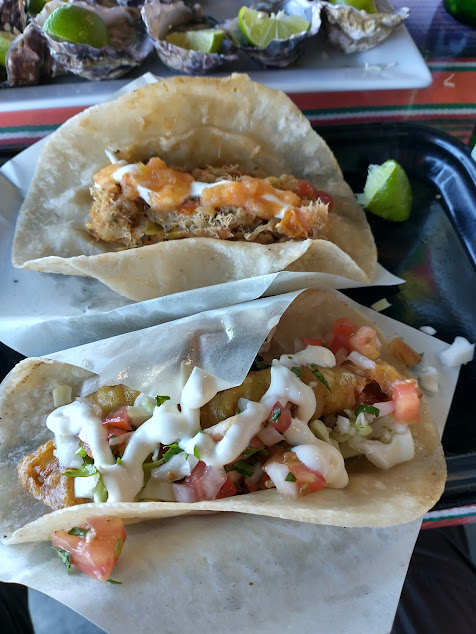
History suggests it was Japanese fishermen in the 1930-1950’s who were tempura frying their daily catch. Locals caught on but changed it up to a thick beer batter and added some mustard for flavor. While this all happened in Ensenada, over in San Felipe they were living more on U.S. tourism than fishing, so local taco stands changed things up to please the American palette. Without tartar sauce they mixed traditional Mexican crema, mayonnaise, and lime juice or something else to slightly pickle it.
This style of crema is the handshake of the fish taco. To give it all a bed to sit on, fine-shredded cabbage was used because the humidity on the Sea of Cortez side of Baja wilts lettuce before it can even get to market. To help cut through the fattiness of the fried fish, pico de gallo offers the acidity of tomatoes, serranos, and onions with some lime juice (and sometimes a pinch of salt). When done right it’s a heavenly body, all the right levels of salt and savory, cream and fat, and the bite of onion and lime.
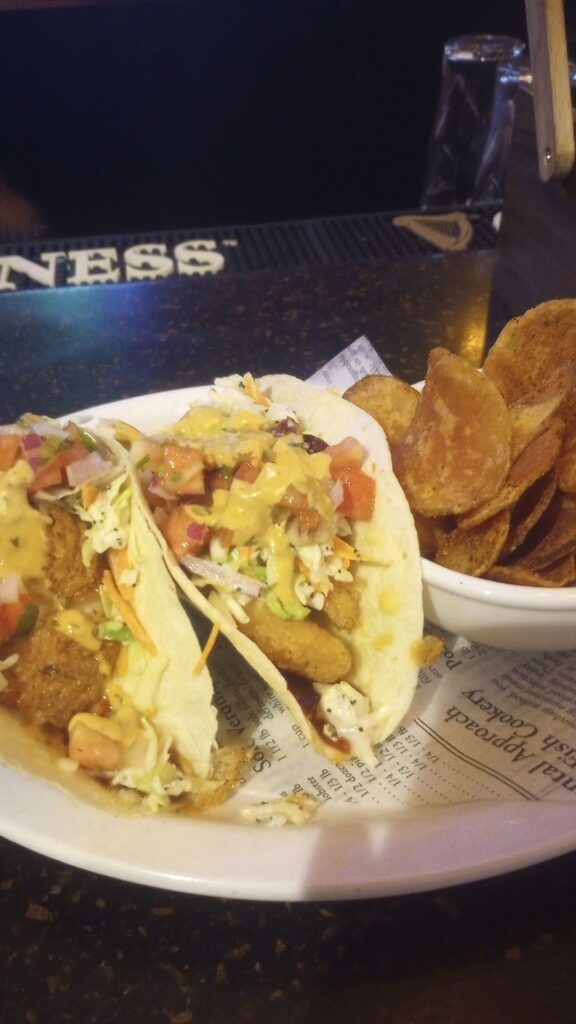
Fish tacos are also the one time I don’t get asked what type of tortilla I want. Taco stands that serve only fish will usually only have flour tortillas. However this happens more on the Gulf side of the peninsula, where steady access from Sonora and the Mexicali valley make flour tortillas easy to get. They also stay pliable longer in the drier desert air. Ensenada is on the Pacific coast side and has the expected mild summer weather.
By the 1970’s a young surfer kid from San Diego — obsessed with fish tacos he had in San Felipe — got a recipe, a loan from his father, and made the “Baja fish taco” known throughout America with his chain, Rubio’s Coastal Grill. While it’s unlikely Ralph Rubio was the first to bring the fish taco to America, he was definitely the first to popularize it, and he did it at a time when most Americans thought of Taco Bell if someone said “taco.”
But as you may have guessed, the taco did not make its way to America in the early-1980’s. That goes back about 100 years as the taco migrated north with Mexican laborers. Fighting mesquite thorns and looking for a shallow ford across the Rio Grande, the taco would meet American industry via the Southern Pacific railroad. And in places like San Antonio, among the Chili Queens, it would begin to change its clothes and eke out a new place for itself in a changing world.
Stay tuned for more
If you want to know about the taco’s evolution as it meets Tejano culture and searches for the American dream, I recommend signing up for the Weekly Dispatch. As a one-man-show don’t expect these long-form pieces to be landing in your inbox regularly. But do expect occasional updates about food and how food shapes cultural identity.
Expect light reads like recipes or campfire cooking ideas, essays on travel and how the road tells us a story, and quick takes on why the foods that fuel us shouldn’t be looked down on. Gas station fried chicken has been doing the same thing for American Southerners that the taco did for miners in the Mexican south: humbly and without pretense.
And my promise to you is to do the same. I’ll take a lesson from the taco’s journey and meet the world where it is, humbly and without pretense.
(Opens in a new tab)
(The sign up form below doesn’t work on all browsers, especially if you have strict cookie/privacy settings)
Leave a Reply